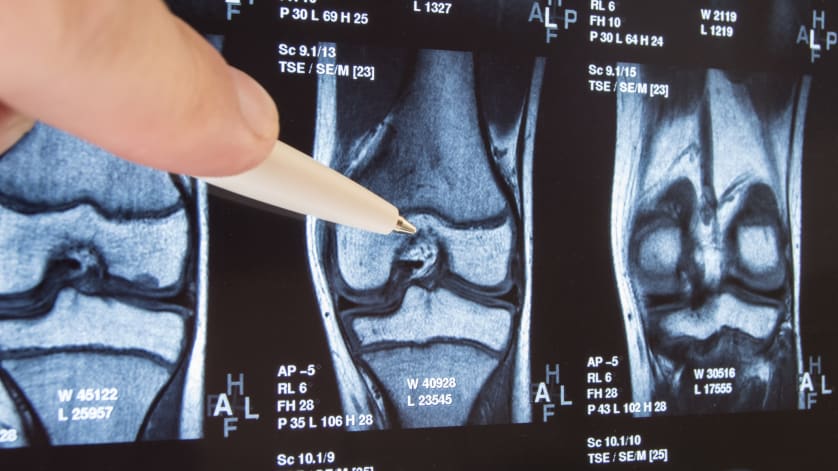

Machine-learning models distinguished healthy knees from those with osteoarthritis-related cartilage damage, but age and BMI performed as well as or better than the vibration-based models.
Operative-time–adjusted findings favored the ipsilateral technique, while absolute fluoroscopy time and radiation exposure remained similar between approaches.
Investigators compared intra-articular microbial profiles and predicted metabolic pathways in patients with hip osteoarthritis and nonarthritic controls.
A systematic review of more than 2.3 million patients found that women and men had different patterns of postoperative complications and recovery, with age and implant strategy modifying observed differences.
In the phase 3 OPTIMA trial, the 10-mg/kg and 3-mg/kg doses reduced new heterotopic ossification lesions by 90% and 94%, respectively, compared with placebo at 56 weeks.